


The Right Equipment for Their Needs?
Public safety agencies choose the right equipment by identifying their operational requirements, reviewing existing resources, gathering input from personnel, and comparing products based on suitability, reliability, and long-term value. A structured selection process helps departments focus on equipment that meets their needs rather than purchasing products based on features alone.
Every department operates differently. Equipment that works well for one organization may not be the most appropriate option for another, making careful evaluation an important part of purchasing decisions.
- TL;DR
- Begin by identifying operational needs and reviewing the equipment already in use.
- Involve personnel who use the equipment and evaluate products against clear requirements.
- Consider long-term maintenance, compatibility, and purchasing procedures before making a decision.
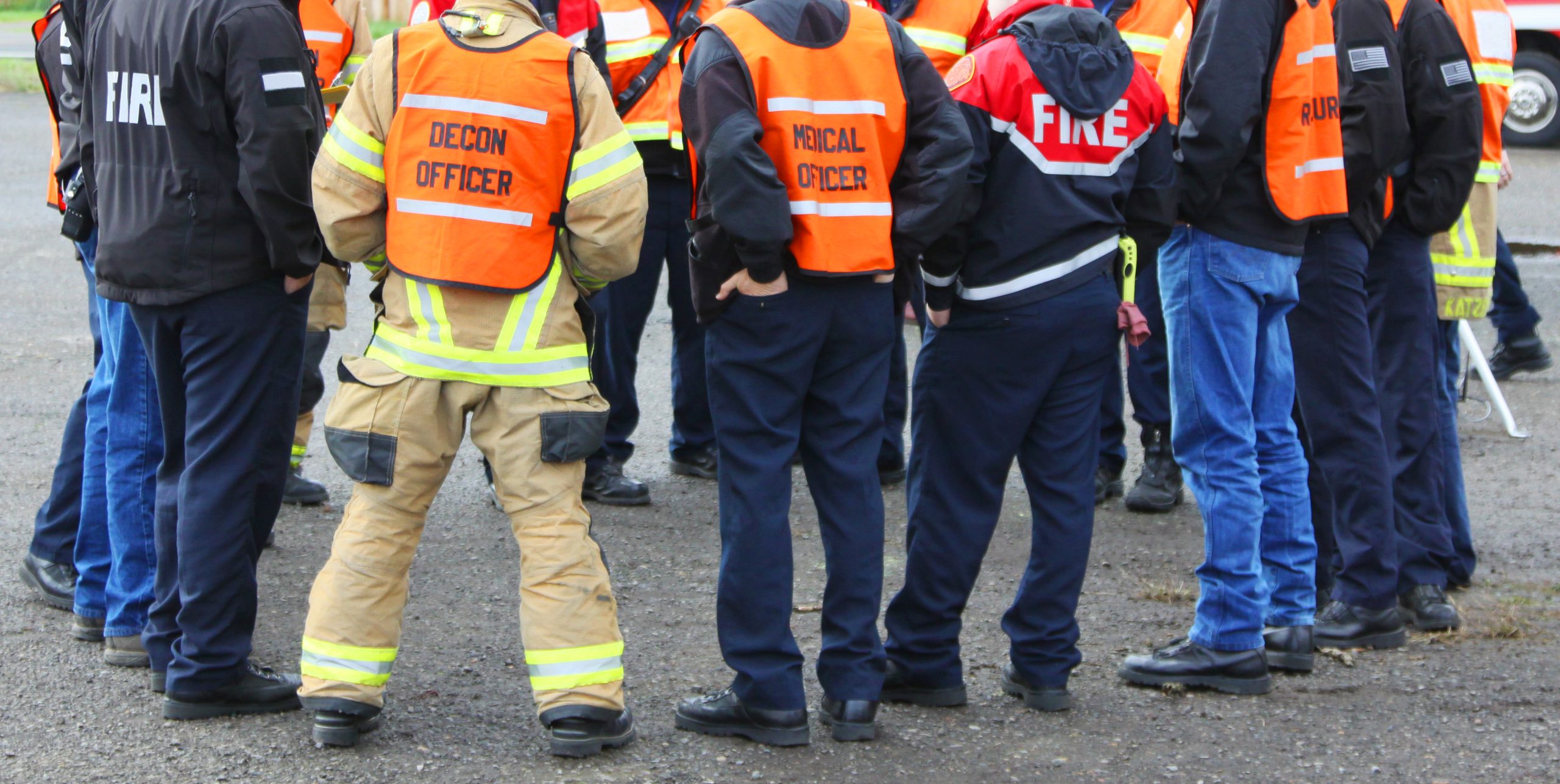
Your Department
At Keystone’s Manufacturing Representative (KMR Group), we help public safety agencies evaluate equipment that meets their operational needs. Explore key considerations such as employee feedback, product compatibility, budget planning, and long-term costs to make informed purchasing decisions.
How Should Agencies Identify Their Equipment Needs?
Why Is Input From Personnel Important?
How Do Budget and Long-Term Costs Influence Selection?
Department's Needs
Every public safety agency has its own responsibilities, priorities, and working conditions. Understanding those needs is an important part of evaluating available equipment. Contact KMR Group to explore the manufacturers we represent and discuss product information that may be useful during your selection process.
At Keystone’s Manufacturing Representative (KMR Group), we help public safety agencies make informed equipment decisions. Explore our FAQs to learn how employee feedback, equipment compatibility, and standardization can help departments select products that meet their operational needs.
Yes. Personnel who use equipment regularly can provide practical feedback about operation, comfort, and suitability.
Departments should review manufacturer specifications, existing equipment requirements, and any necessary accessories or connections before purchasing.
Standardization can simplify certain purchasing, maintenance, and training activities, but equipment should still match the needs of its intended users.
